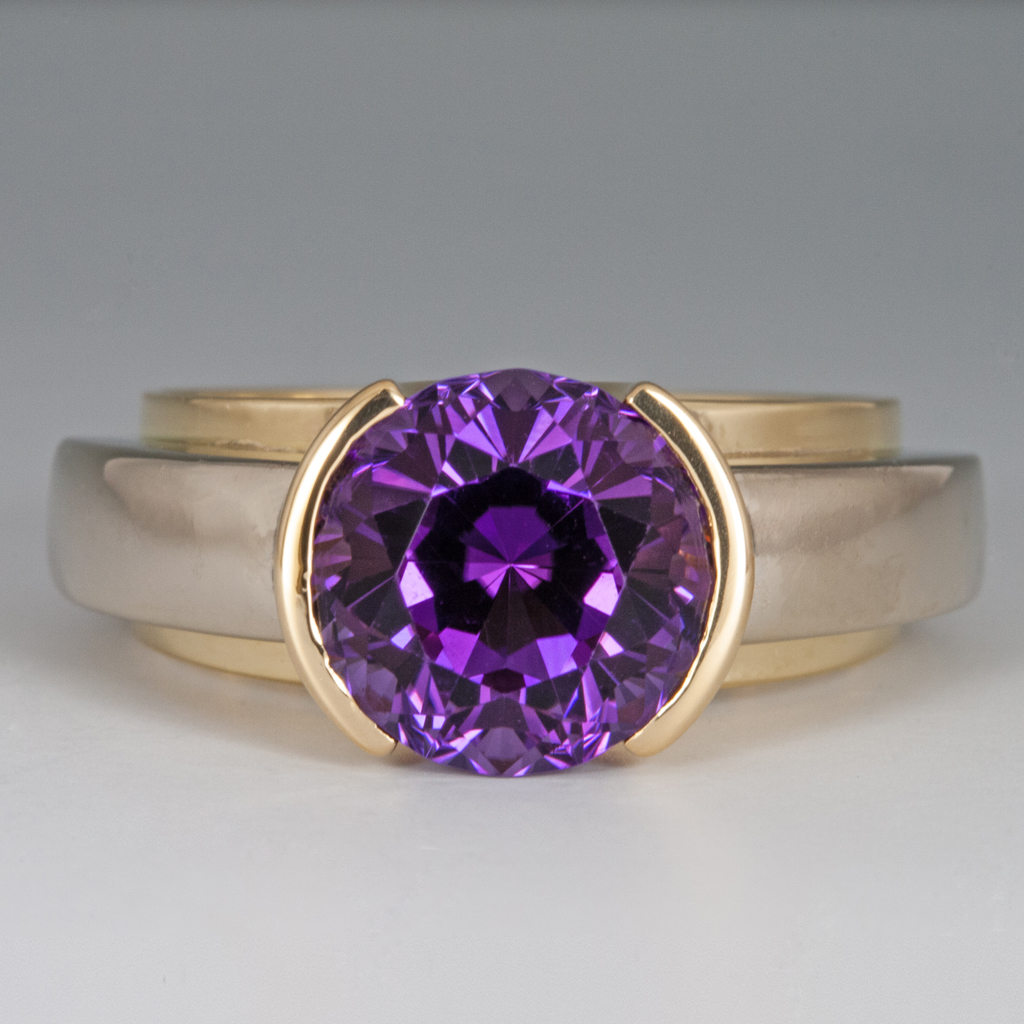
Amethyst is a purple variety of quartz. It is the birthstone for February and for the 6th wedding anniversary. It is relatively inexpensive, yet durable enough for use in many types of jewelry. It is 7 on the Mohs Hardness scale.


Amethyst is a purple variety of quartz. It is the birthstone for February and for the 6th wedding anniversary. It is relatively inexpensive, yet durable enough for use in many types of jewelry. It is 7 on the Mohs Hardness scale.
Did you know that amethyst is a meditative and calming stone? It works in the emotional, spiritual, and physical planes to promote calm, balance, and peace.
Did you know that amethyst is used in crystal healing to help heal personal losses and grief?
Did you know that amethyst is known as the sobriety stone and used by the ancient Greeks to prevent drunkenness? As such it assists in getting rid of addictions to alcohol, drugs, smoking, and other destructive compulsive behaviors.
Given all these attributes it’s understandable why amethyst is so popular. We have two more; it’s beautiful and it’s affordable.
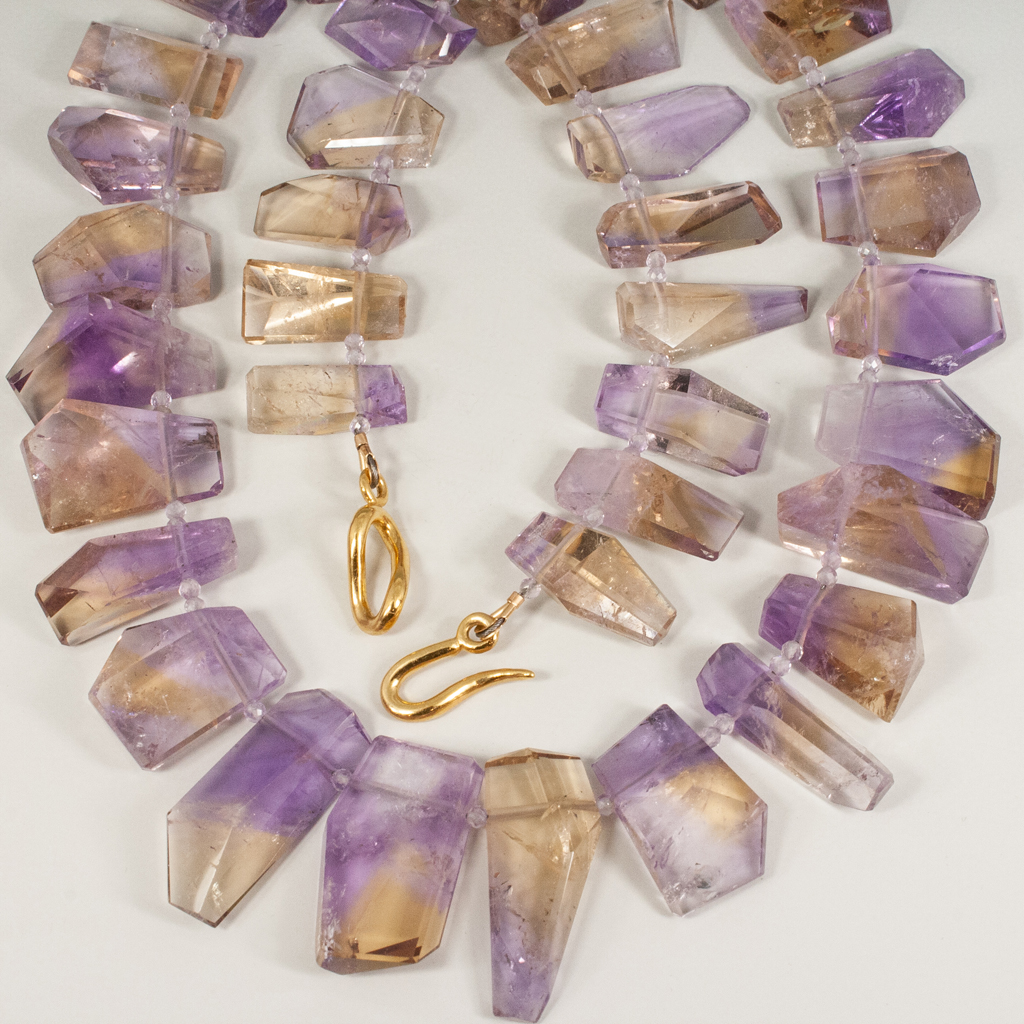
Pictured above is our Ametrine Necklace. Ametrine is sometimes called the “Golden Amethyst” and is a combination of purple and yellow/orange tones. “Ametrine” is a portmanteau of amethyst and citrine, another member of the quartz family
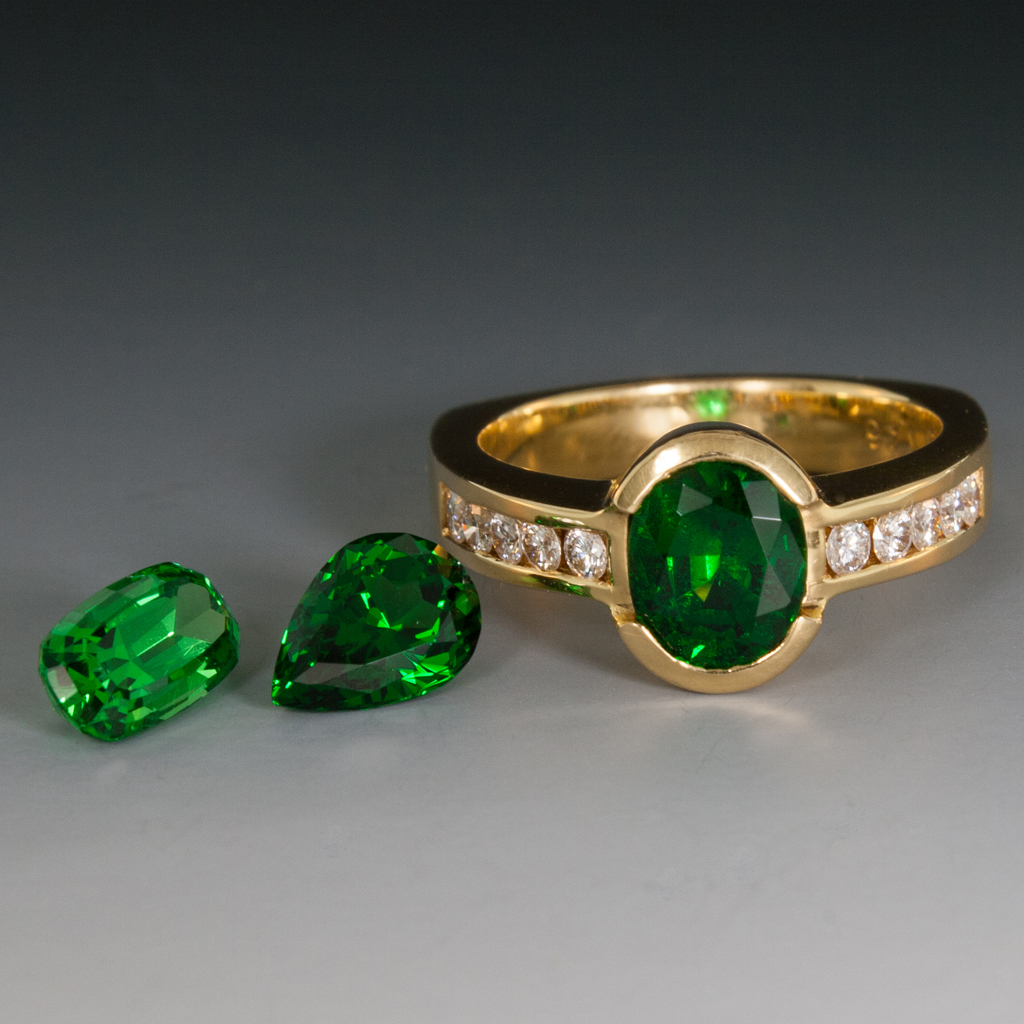
Tsavorite garnet is a variety of the garnet group species grossular, with trace amounts of vanadium or chromium that provide the green color.
In 1967, British gem prospector and geologist Campbell Bridges discovered a deposit of green grossular in the mountains of north-east Tanzania.
Tsavorite garnet has a hardness of 7-7.5 on the Mohs scale, slightly higher than other species of garnet.
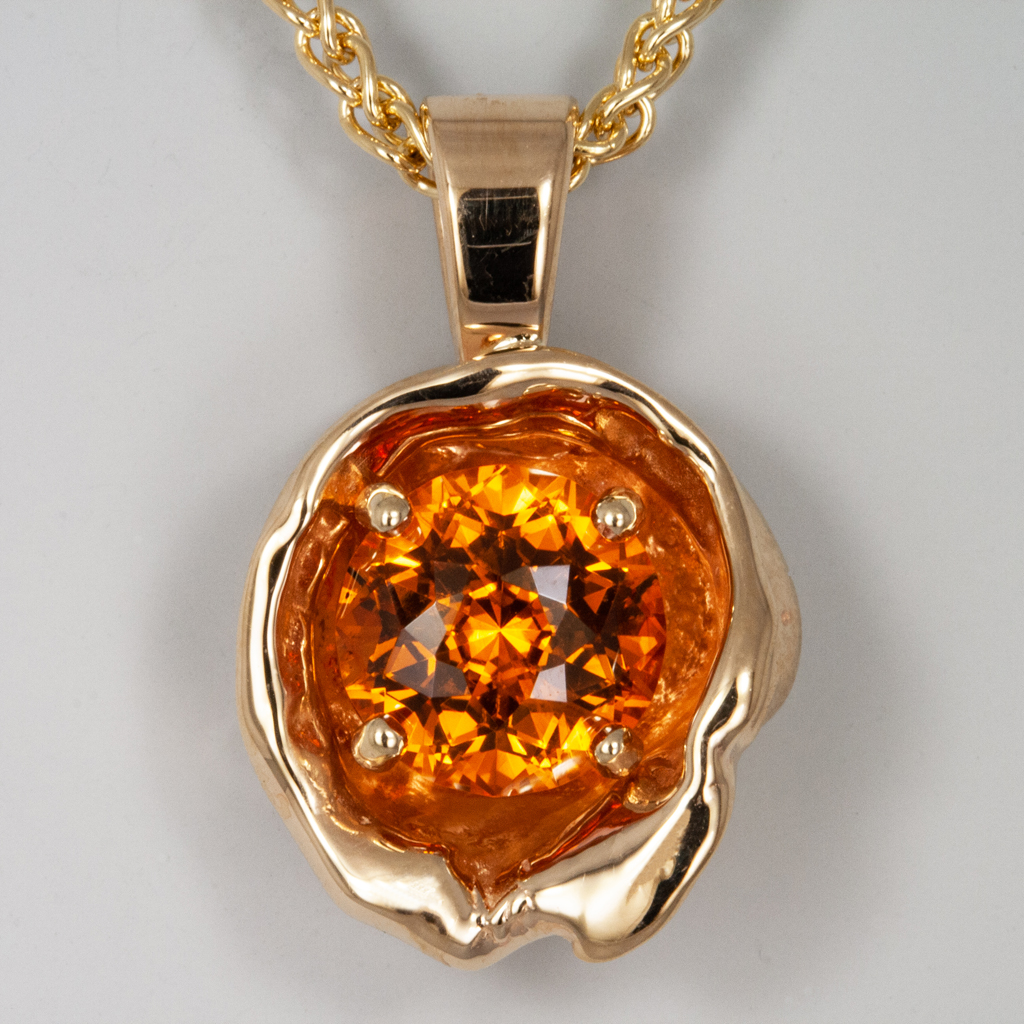
Spessartine (or spessartite) is named after Spessart in Bavaria, Germany, the type locality of the mineral. Spessartine of an orange-yellow has been called Mandarin garnet and is found in Madagascar. Violet-red spessartine are found in rhyolites in Colorado and Main.
Spessartite, as other garnets, has a hardnes of 6.5-7 on the Mohs hardness scale.
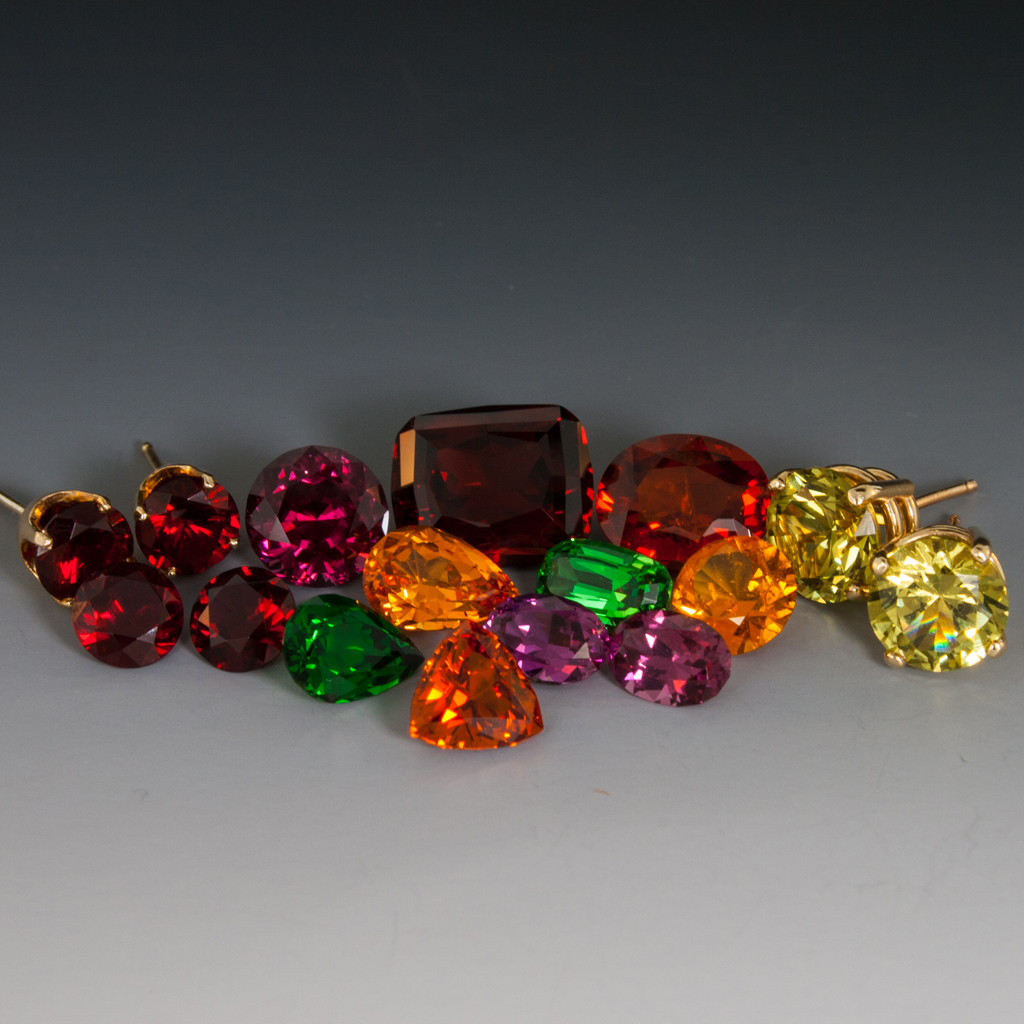
Garnet is January’s birthstone, and the gem for the second wedding anniversary. It is available in a rich palette of colors: greens, oranges, yellows, pinkish oranges, deeply saturated purplish reds, and even some blues.
Red garnet is one of the most common and widespread of gems. But not all garnets are as abundant as the red ones. A green garnet, tsavorite, is rare and needs rarer rock chemistries and conditions to form.
Demantoid is a rare and famous green garnet, spessartite is an orange garnet, rhodolite is a beautiful purple-red, andradite and grossular are a yellowish green color.
All garnets have essentially the same crystal structure, but they vary in chemical composition. There are more than twenty garnet categories, called species, but only five are commercially important as gems. Those five are pyrope, almandine, spessartite, grossular, and andradite. A sixth, uvarovite, is a green garnet that usually occurs as crystals too small to cut. It’s sometimes set as clusters in jewelry. Many garnets are chemical mixtures of two or more garnet species.
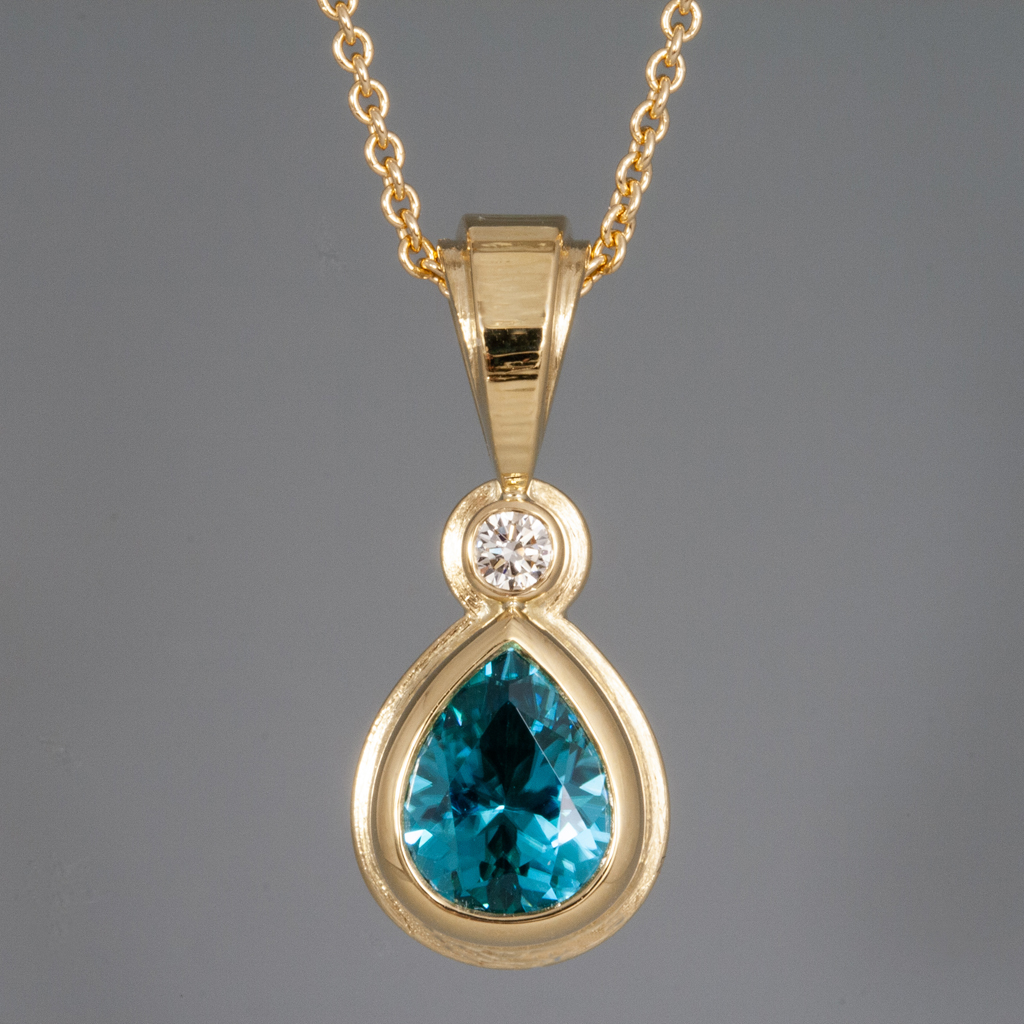
Another alternative December birthstone. Not to be confused with Cubic Zircon (synthetic diamond). This sparkly pear shaped blue zircon from Cambodia and diamond pendant is entirely hand fabricated in 18KY. Come to our Lenox Gallery to see a wide selection of zircon colors, shapes, and sizes, all precisely cut by our Berkshire lapidary.
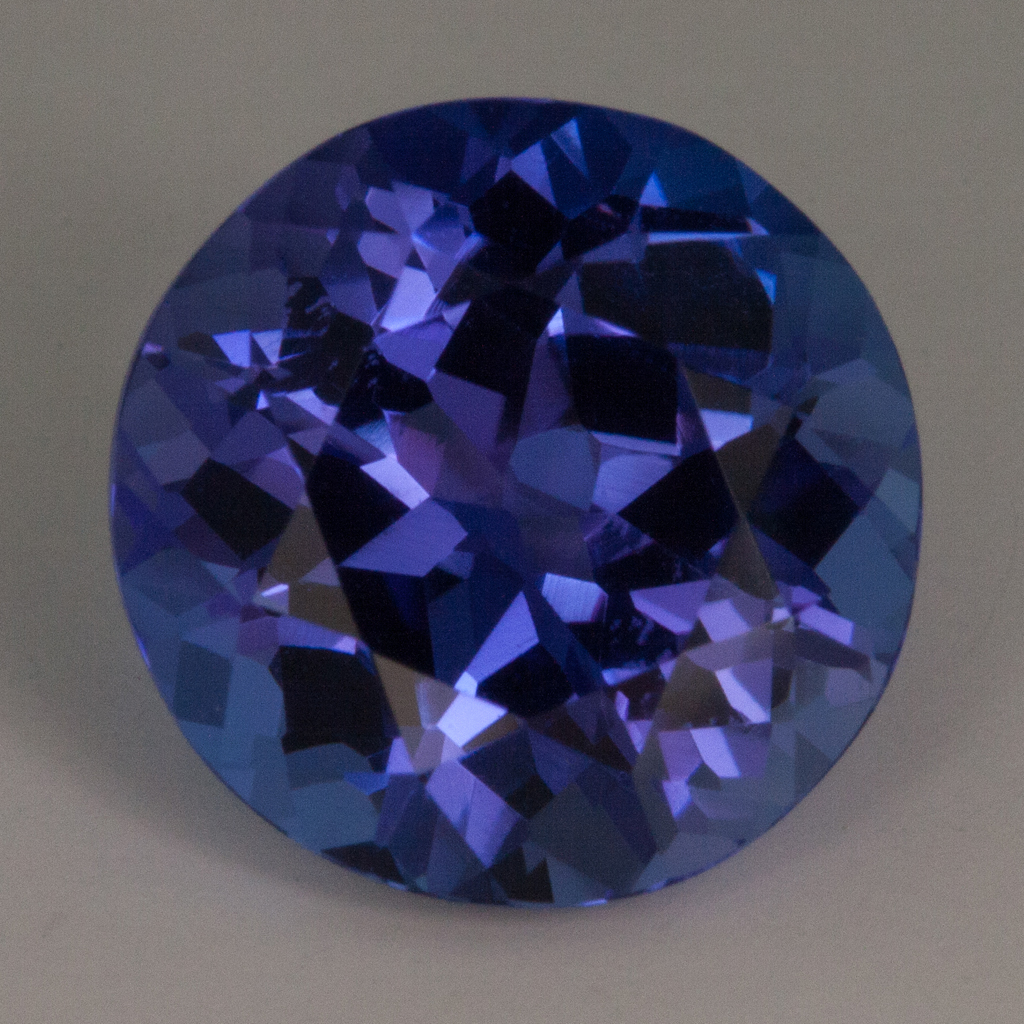
Poised between lush blue, vibrant violet, and rich purple, exotic tanzanite is found in only one place on earth, near majestic Mount Kilimanjaro.
We have an extensive collection of loose tanzanite gemstones, precisely cut by a local Berkshire lapidary. The selection includes gems of all sizes and shapes. Come to our gallery or shop online for tanzanite.
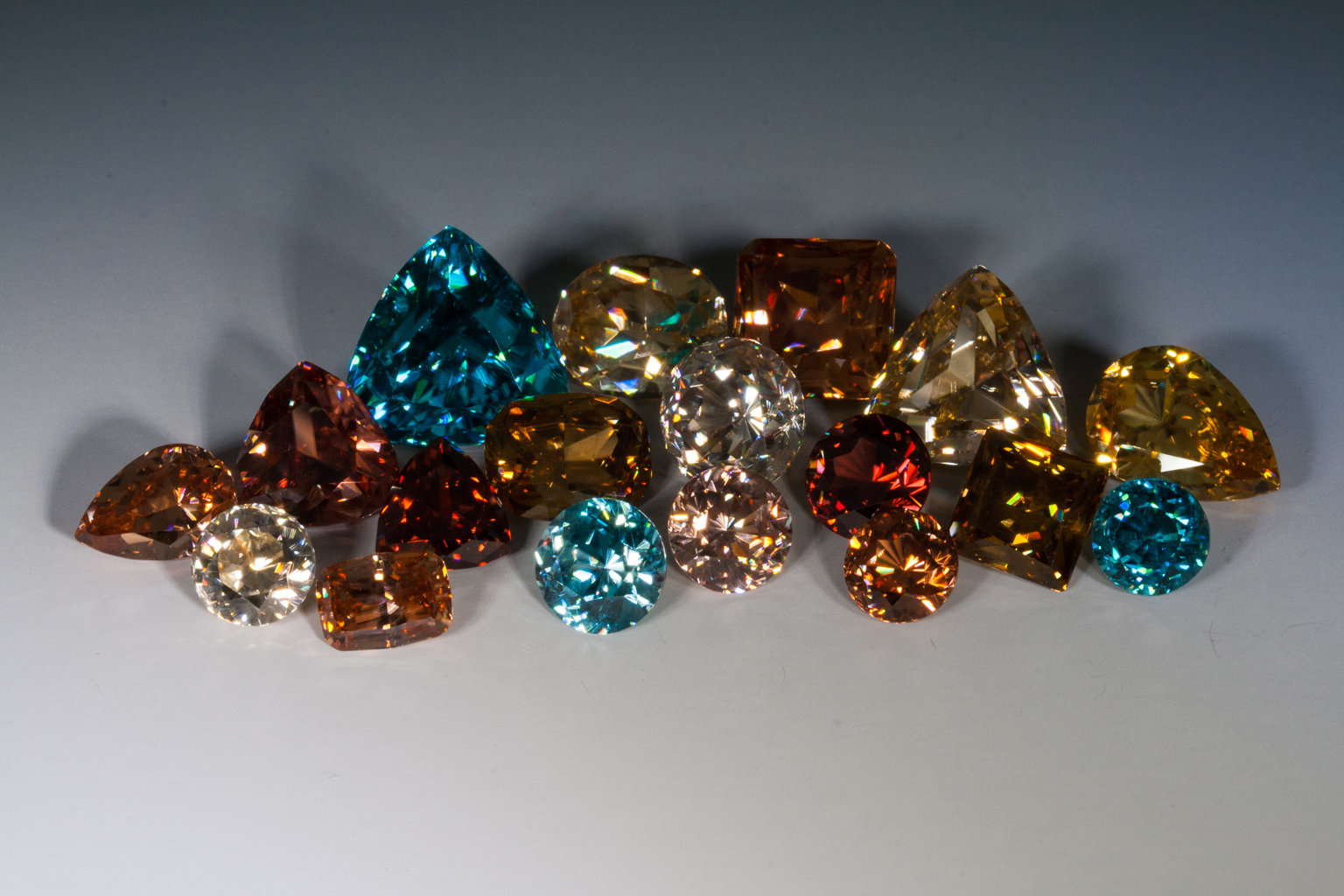
December has two birthstones, Tanzanite and Zircon. First, let’s delve briefly into Tanzanite’s background.
Tiffany & Co. introduced Tanzanite to the market in 1968 naming it after Tanzania, the country in which it was discovered. Tiffany’s marketing department created the gemstone’s name after deciding that its scientific name, blue-violet zoisite, was too hard for consumers to remember.
Tanzanite is noted for its remarkably strong trichroism (a chemical structure causing a double refraction when white light passes through) that leads to it appearing alternatively blue, violet and burgundy. Blue will be more evident when the gemstone is viewed under fluorescent light; violet hues will be more evident when viewed under incandescent light.
Tanzanite’s hardness registers 6.5 on the Moh’s Scale. The gemstone is safest set in pendants and earrings. Expect the gemstone to show wear if you set it into a frequently worn ring.
Zircon, December’s second birthstone, is one of my favorites appearing frequently in my custom designs. Its numerous colors – reddish brown, yellow, green, blue, gray, peach, orange, red, pale brown and colorless – inspire my creativity. I equally appreciate the gemstone’s high refractive index making it similar to a diamond. Also, its strong luster and intense fire give it a flash comparable with a diamond.
Zircon’s hardness (7.5 on the Moh’s Scale) attests to its durability so it can be set into any piece of jewelry. It is mined in Tanzania and Cambodia.
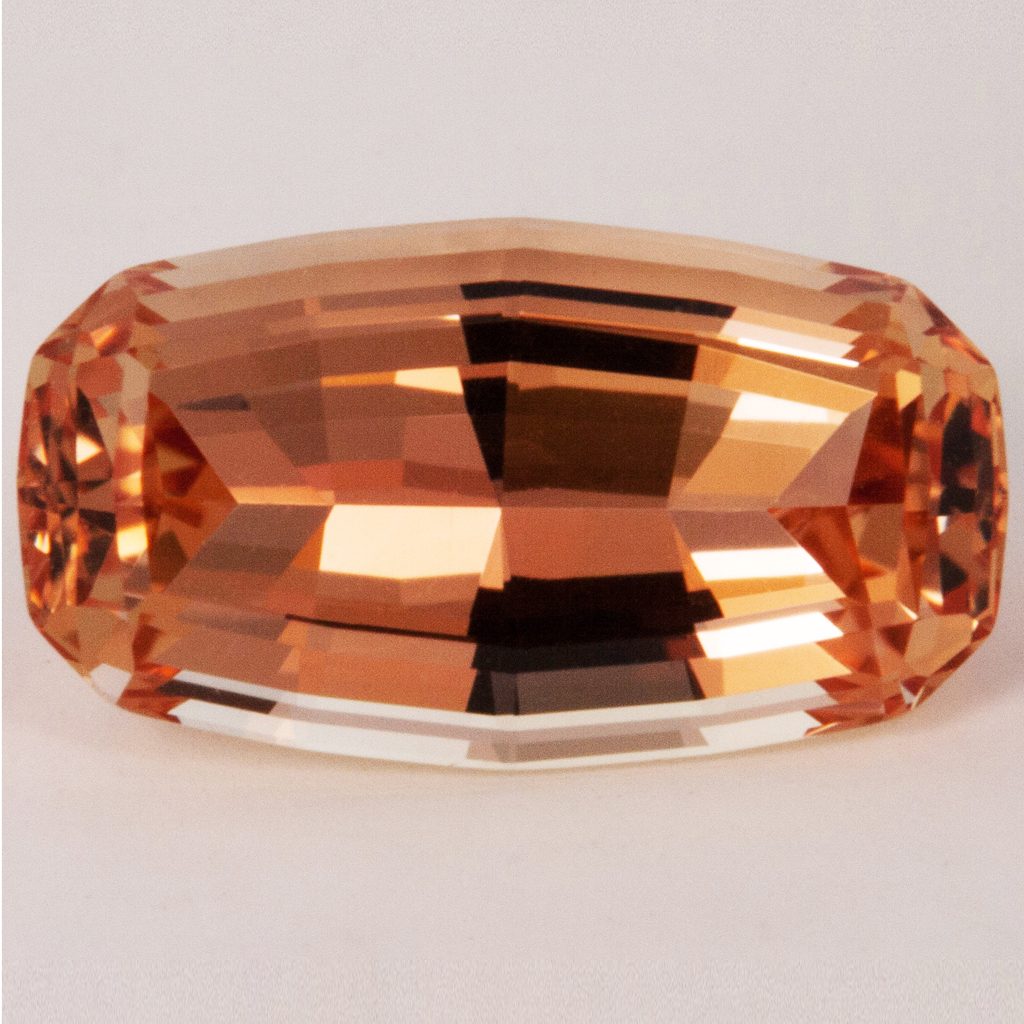
Come in and see our collection of loose topaz gemstones. We have a variety of colors on display.
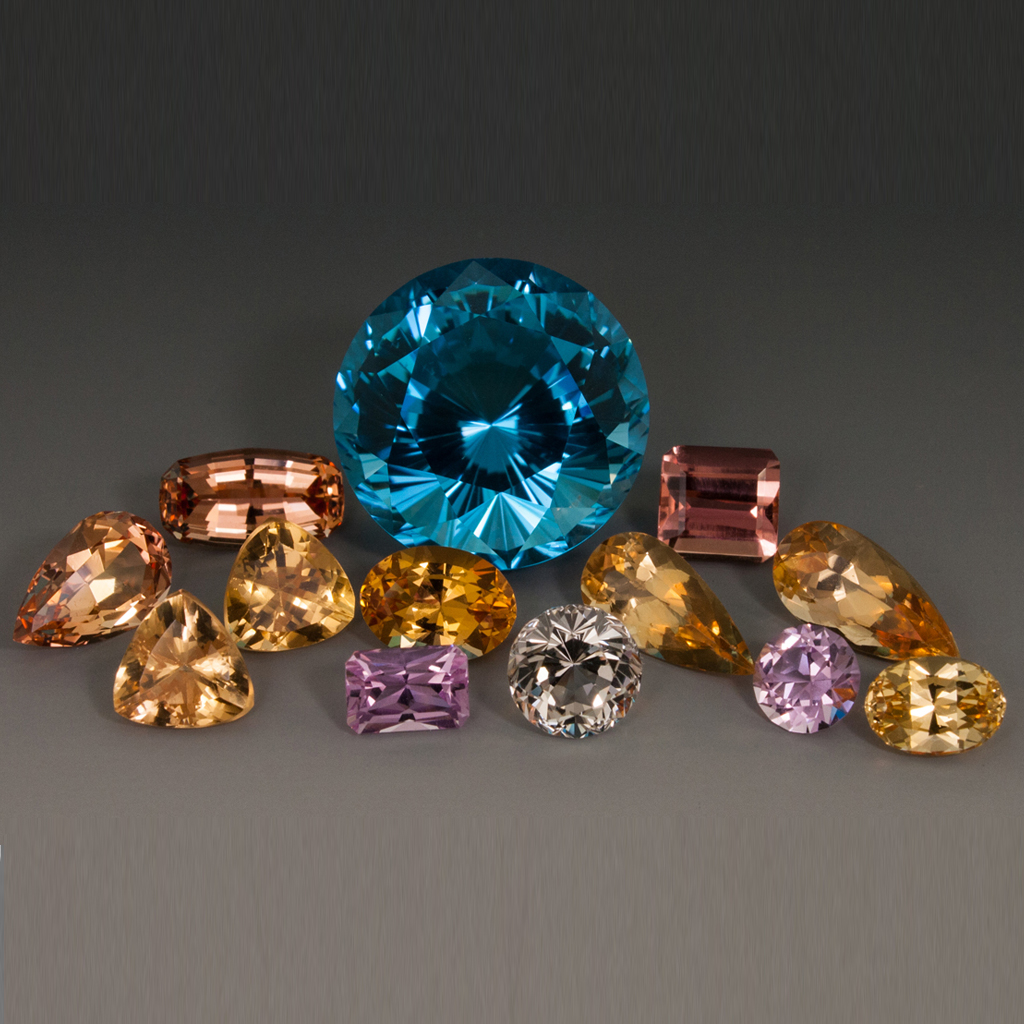
Topaz is November’s birthstone. It’s also an ideal gemstone for custom-designed jewelry given its brilliantly diverse colors and its hardness.
The name topaz comes from the Sanskrit word “tapaz”, meaning “heat” or “fire”. In ancient times, the Greeks believed that those who wore topaz possessed strength and invisibility. The Romans believed it improved eyesight. The Egyptians believed it protected against injury. During the Middle Ages, topaz was believed to be a healer of both physical and mental sicknesses and even able to prevent death.
In its natural state, topaz is golden brown to yellow. A variety of impurities and treatments may make topaz wine red, pale grey, reddish-orange, pale green or pink (rare) and opaque to translucent and even transparent.
The most sought after and consequently more valuable natural topaz is Imperial Topaz, alson known as “precious topaz”. The color of the setting sun (pink or pink-orange), the name arose with the Russian tsars of the 17th century who claimed their right to all the pink topaz mined in the Urals. The czars might take exception to the fact that today it’s the gemstone of Utah. They would also have to share mining locations with Brazil, one of the world’s largest producers of topaz.
Topaz is also the gemstone of another state, Texas, where it is found in the Precambrian granite of Macon County. For Texas, it’s blue topaz. Naturally occurring blue topaz is considered rare. Typically, to achieve blue, colorless, grey or pale yellow topaz is heat-treated.
Another topaz you might have heard of is Mystic Topaz. It is a colorless topaz artificially coated using a vapor deposition process to render a rainbow effect.
Topaz is 8 on the Mohs hardness scale. Given its relatively low index of refraction, do not expect large-faceted topaz to sparkle as readily as a diamond. Do expect it to be durable and lasting.