

Gemstones
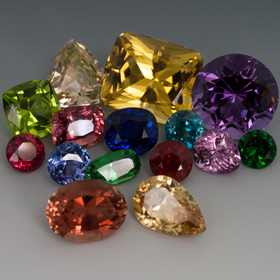
We have the largest collection of colored gemstones in the Berkshires. Rare and beautiful colored gemstones of the finest cut and quality are on display in the gallery. Loose gems are available for purchase by collectors or for custom orders. You can see & read more about the individual gemstones by clicking on the images below. See more gems and jewelry by visiting our Video Gallery from the Home page. Our lapidary is local, and he’s been working with us for over 35 years!
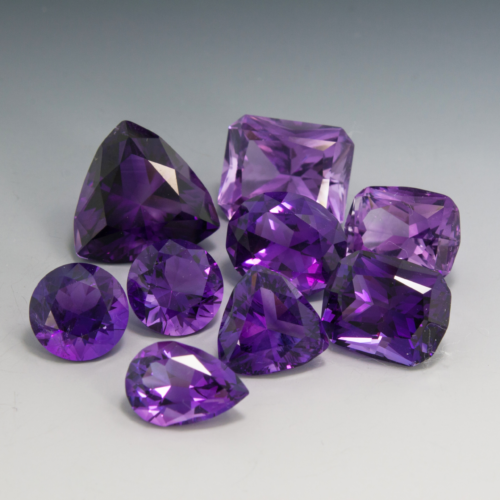 Amethyst
Amethyst is a violet variety of quartz and owes its violet color to irradiation, iron impurities, and the presence of trace elements. The hardness is 7 on the Mohs scale. Amethyst occurs in primary hues from light pinkish violet to deep purple. The best varieties of amethysts can be found in Siberia, Sri Lanka, Brazil, and the far East. The ideal grade is called "Deep Siberian" and has a primary purple hue of around 75-80%, with 15-20% blue and red secondary hues. The Greek word "amethystos" may be translated as "not drunken". Amethyst was considered to be a strong antidote against drunkenness and some wine goblets were carved from it. Amethyst is the birthstone of February.
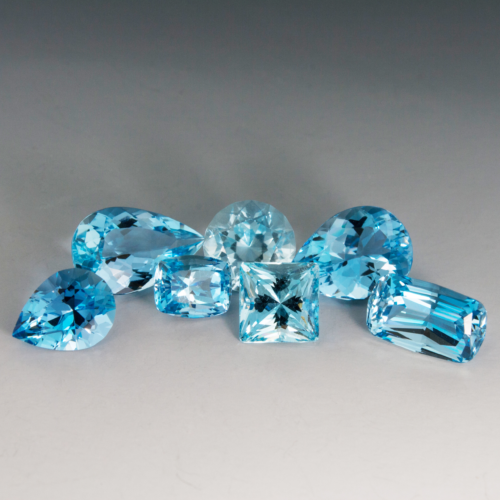 Aquamarine
Aquamarine, the March birthstone, is a blue or turquoise variety of Beryl. It measures a hardness of 7.5-8 on the mohs scale. The name "aquamarine" comes from the Latin aqua marina or "water of the sea". In the US, the gem hails from Colorado and Wyoming. There are mines in Brazil, Columbia, Zambia, Madagascar, Malawi, Tanzania and Kenya. The largest aquamarine of gemstone quality ever mined was found in Marambaia, Minas Gerais, Brazil in 1910 and weighed over 110kg.
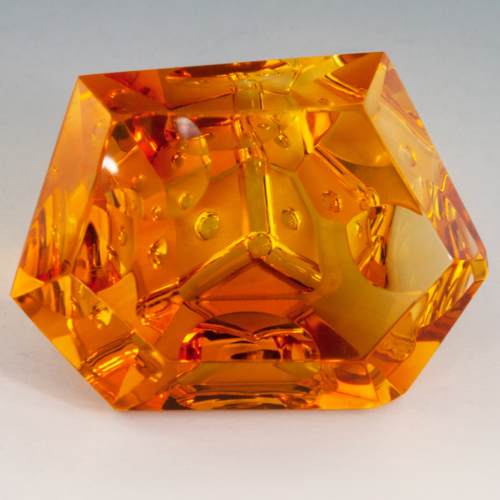 Citrine
Citrine is a medium deep shade of golden yellow - orange quartz and has a hardness of 7. Some citrine is colored by aluminum based and irradiation induced color centers related to those found in smoky quartz. It is found in Brazil and is the birthstone of November.
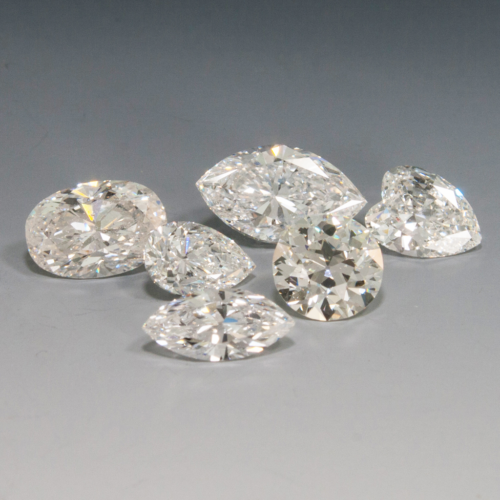 Diamond
Diamond is the hardest mineral on earth commanding a 10 on the Mohs hardness scale. It has an extremely high refractive index creating that dispersion or rainbow effect known to diamonds. They are one of the best-known and most sought-after gemstones. The hardness of diamond and its high dispersion of light gives this gemstone its characteristic "fire" making it ideal for jewelry, especially wedding jewelry.
Diamonds are graded based on the "four Cs"; color, cut, clarity, and carat. Other characteristics, such as presence of lack of florescence, also affect the desirability and value of a diamond.
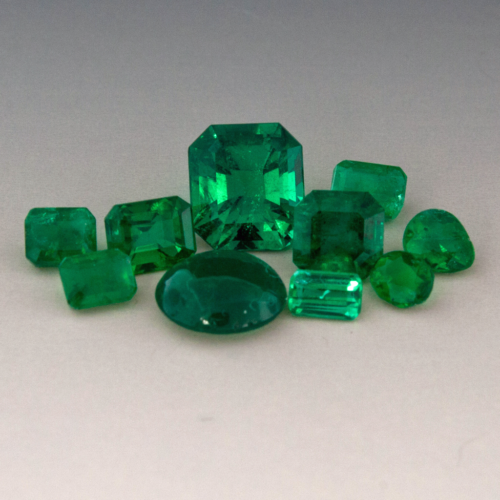 Emerald
Emerald is a variety of the mineral beryl colored green by trace amounts of chromium and sometimes vanadium. Beryl has a hardness of 7.5-8 on the Mohs scale. Other beryls include aquamarine, heliodor, morganite, and colorless goshenite. Most emeralds are highly included, so their toughness (resistance to breakage) is generally poor. Emeralds are frequently oiled in order to fill in surface reaching cracks which improves their clarity and stability. In grading emeralds, crystal is considered a close second to color. A fine emerald must possess a pure verdant green hue, and a high degree of transparency to be considered a top gem. Fine emeralds must be medium to dark, or 75% in tone. The hue should be bright green. Colombia is the world's largest producer of emeralds, Zambia being the second biggest producer. But emeralds are found all over the world including several states in the US. Emerald is the birthstone for May. We have a wonderful Lapidary (gem cutter) and an excellent source for stunning Emeralds. Contact us and we will fulfill your desire.
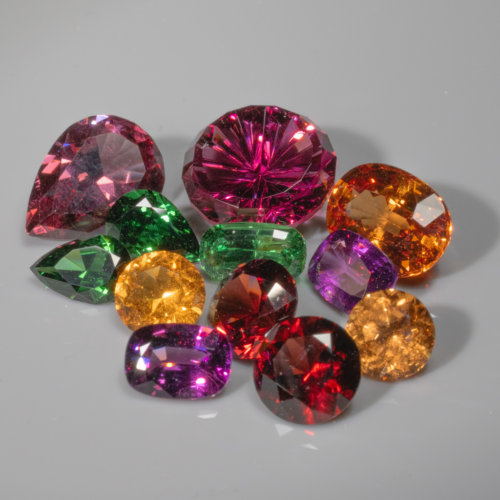 Garnets
Garnets are a group of silicate minerals that have been used since the Bronze Age as gemstones and abrasives. All species of garnets possess similar physical properties and crystal forms, but differ in chemical composition. The different species are pyrope, almandine, spessartine, grossular (hessonite or tsavorite), uvarovite and andradite. Colors range from red, orange, yellow, green, purple, brown, blue, black, pink and colorless. Garnet has a hardness of 6.5-7 and is found in Madagascar, in parts of the US, Russia, Kenya, Tanzania, and Turkey. It is the birthstone of January.
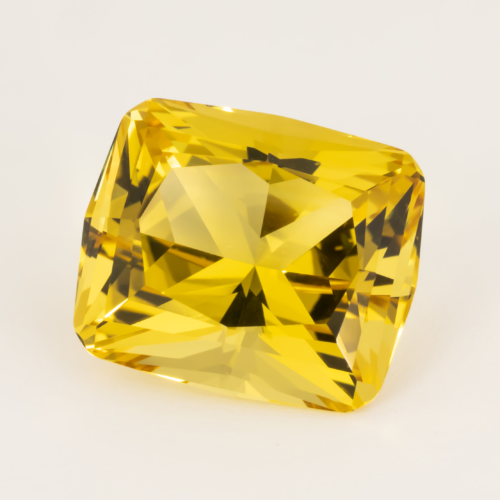 Heliodor / Golden Beryl
Heliodor is the golden yellow variety of the mineral beryl, colored by iron. It was discovered in Namibia in 1910. The name heliodor is Greek meaning "gift from the sun." Heliodor is found in Minas Gerais and Goias, Brazil; the Ukraine in Russia; and also in Connecticut and Maine. It has a hexagonal crystal system and a hardness of 7.5-8.
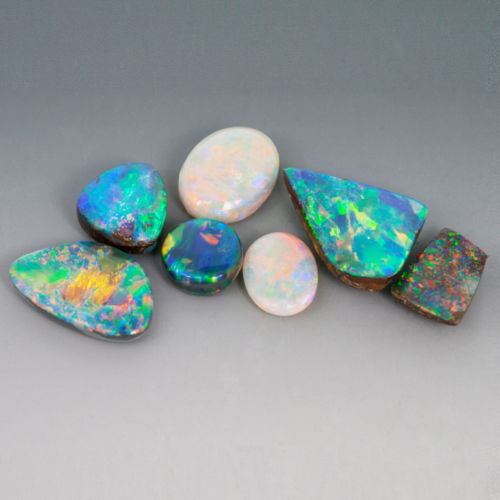 Opal
OpalOpal contains up to 20% water trapped in its silica structure. Because opals have the colors of other gems, the Romans thought it was the most precious and powerful of all. When Australia's mines began to produce opals commercially in the 1890's, it quickly became the world's primary source for this October birthstone. Five of the main types of opals are; White or Light, Black, Fire, Boulder, and Crystal. Play of color occurs in precious opal because it's made up of sub-microscopic spheres stacked in a grid-like pattern. As the light waves travel between the spheres, the waves diffract, or bend. As they bend, they break up into the colors of the rainbow, called spectral colors, resulting in play-of-color. Opal can range from 5-6.5 on the Mohs hardness scale.
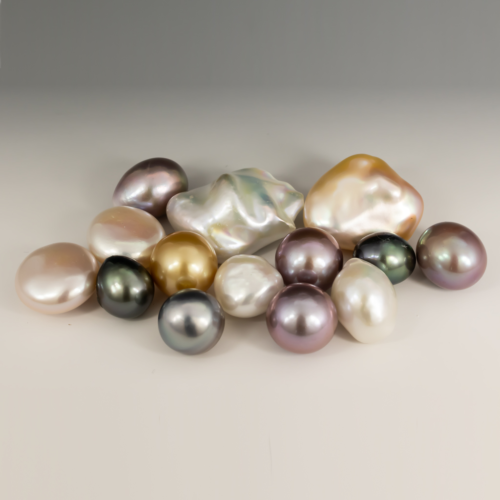 Pearls
A pearl is a hard object produced within the soft tissue (mantle) of a living shelled mollusk. They are made up of concentric layers of calcium carbonate deposited in minute crystalline form. The ideal pearl is perfectly round and smooth, but many other shapes occur including Baroque, Coin, Drop, Keshi, or Fireball. Cultured or farmed pearls from pearl oysters and freshwater mussels make up the majority of what is sold today. Gem quality pearls are almost always nacreous and iridescent, as is the interior of the shell that produces them. Pearl is 2.5-4.5 on the Mohs scale and is considered the birthstone of June.
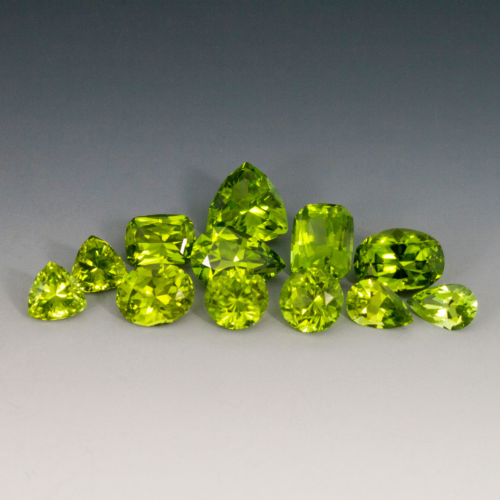 Peridot
Peridot is gem-quality olivine, a silicate mineral. It is one of the few gemstones that occur in only one color, an olive green. The intensity and tint of the green depends on how much iron is contained in the crystal structure, so the color can vary from yellow to olive to brownish green. The most valued color is a dark olive green. Peridot has a hardness of 6.5-7 and is the birthstone for August.
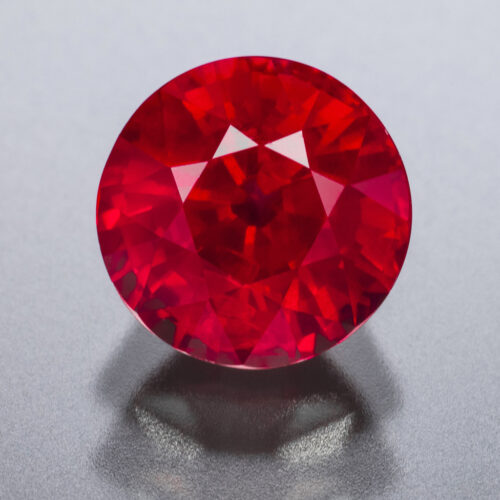 Ruby
RubyRuby is a blood-red gemstone of the mineral corundum. The red color is caused by the presence of the element chromium. Other varieties of gem quality corundum are sapphires. The blood red color commands the highest premium. After color follows clarity, a clear stone will command a premium. The Mogok Valley in Upper Myanmar (Burma) was the world's main source for rubies for centuries. Rubies have been mined in Thailand, Cambodia, Burma, India, Afghanistan, Pakistan. Lighter shades of rubies, (pink sapphires) are found in Sri Lanka. After WWII rubies were found in Tanzania, Madagascar, Vietnam, Nepal, Tajikistan, and Pakistan. Some rubies have been found in the US in Montana, North and South Carolina and Wyoming. Ruby is 9.0 on the Mohs scale and is the birthstone for July.
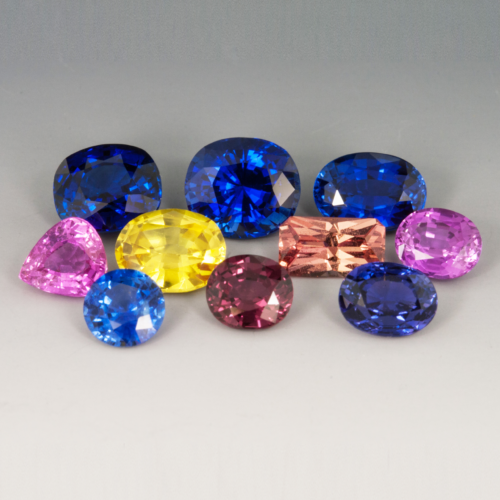 Sapphire
Sapphire is a gemstone variety of the mineral corundum. Trace amount of other elements such as iron, titanium, chromium, copper, or magnesium can give corundum blue, yellow, purple, orange, or green color. Chromium impurities will yield pink or red, making them ruby. Padparadsha is a pinkish orange variety, representing the color of the lotus. Sapphire is 9 on the mohs scale making it an excellent jewelry gemstone. It is found in Eastern Australia, Thailand, Sri Lanka, China (Shandong), Madascar, East Africa, and Montana, US. The quality of sapphire is based on hue, saturation, and tone. Hue is the color of the gem, saturation refers to the brightness of the hue, and tone is the lightness to darkness of the hue. Most sapphires are heated to improve or enhance the color. It is the birthstone for September.
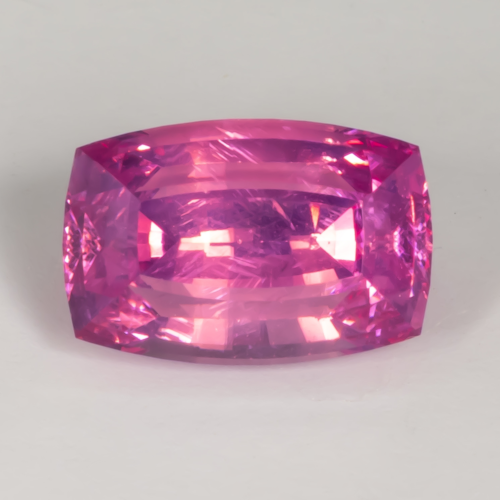 Spinel
Spinel comes in various shades of red and pink, blue, yellow, green, brown, and black. It has a hardness of 7.5 - 8 on the mohs scale making it an excellent, durable gemstone for rings. It is found in Sri Lanka, Afghanistan, Burma, Vietnam, Tanzania, Kenya, and Madagascar. The price of spinel has increased dramatically in the past ten years.
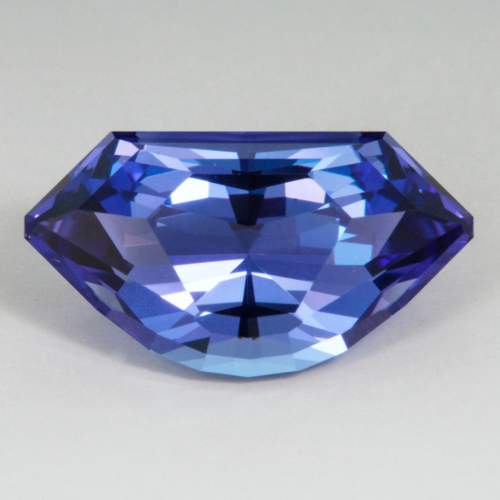 Tanzanite
Tanzanite is the blue/purple variety of the mineral zoisite. The gemstone is strongly trichroic, meaning it can appear sapphire blue, violet and burgundy depending on crystal orientation. Tanzanite is usually a reddish brown in its rough state, requiring artificial heat treatment to bring out the blue violet. The mineral was named by Tiffany & Co.. after Tanzania, the country in which it was discovered. In 2002, The American Gem Trade Association chose Tanzanite as a December birthstone. It is 6.5 on the Mohs scale.
 Topaz
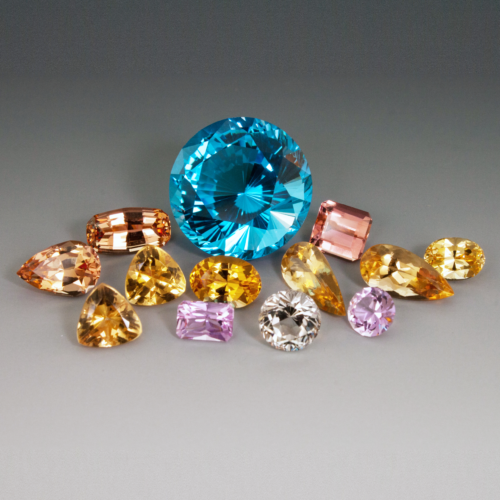
TopazPure topaz is colorless and transparent but is usually tinted by impurities. Typically the gemstone is wine, yellow, pale gray, reddish-orange, or blue brown. Orange or "Precious" is the November birthstone, the symbol of friendship and the state gemstone of Utah. "Imperial" is yellow, pink or pink-orange. "Brazilian Imperial" can have a bright yellow to deep golden brown hue. Blue topaz is the state gemstone of Texas. Naturally occurring blue is quite rare. Typically, colorless or pale material is heat treated and irradiated to produce a more desired darker blue. Topaz is found in Russia, Afghanistan , Sri Lanka, Czech Republic, Germany, Norway, Pakistan, Italy, Sweden, Japan, Brazil, Mexico, Australia, Nigeria, and the US. It has a hardness of 8 on the Mohs scale.
 Tourmaline
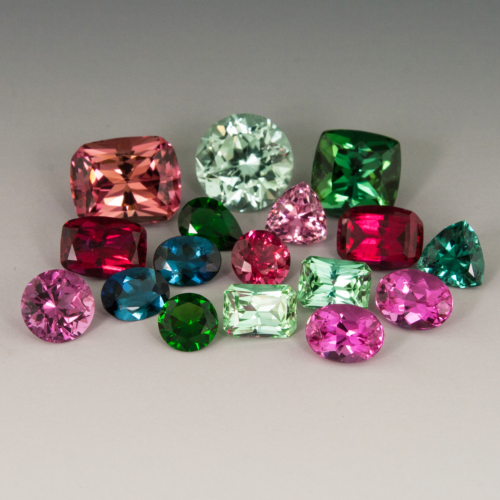
Tourmaline is found in a variety of colors. Iron-rich tourmalines are black to bluish black to deep brown. Magnesium-rich varieties are brown to yellow, and lithium-rich tourmalines are almost any color; blue, green, red, yellow, pink, etc. Bi-colored and multicolored crystals are common. They are usually green at one end and pink at the other. Watermelon tourmalines are green on the outside and pink inside. Tourmalines are 7-7.5 on the Mohs scale.
 Various Unusual Gemstones
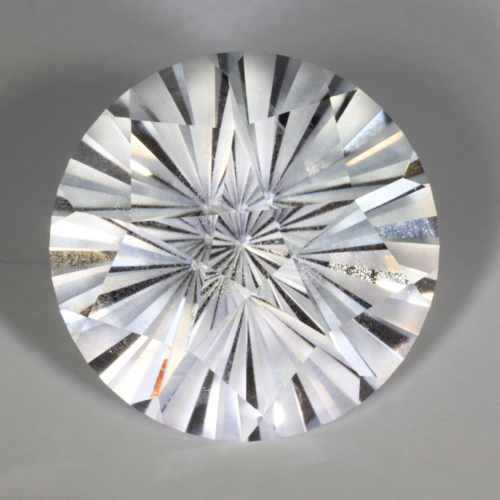
Various Unusual Gemstones, One-Of-A-Kind, Singles or pairs, one-offs, Highlights, Unique Finds, Rare gemstones The gemstones and minerals gathered in this collection are fascinating finds, and items you may not find anywhere else. Some are uniquely rare, some are highly sought after and a valuable prize. Other items are renowned for their associated healing energies. Whether you seek inspiration, beauty, or enlightenment, Laurie has a gemstone waiting for you.
 Zircon
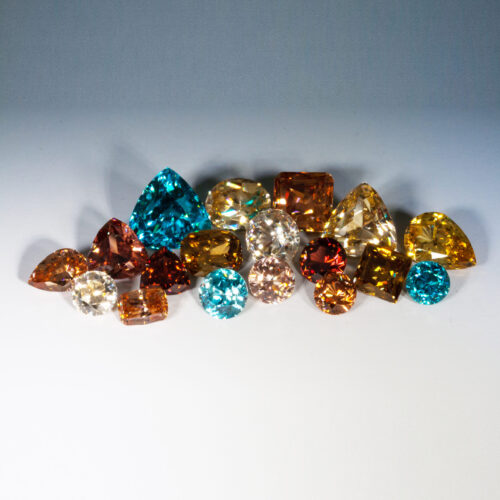
Zircon is a mineral belonging to the group of nesosilicates. It's chemical name is zirconium silicate. The gemstone occurs in many colors such as yellow, red, pink, brown, blue, hazel, or black. It can also be colorless. The color of zircons can sometimes be changed by heat treatment. In geological settings, the development of pink, red, and purple zircon occurs after hundreds of millions of years. Zircons have a refractive index of 1.925 - 2.105. The refractive index of diamond is 2.42, thus making the brilliance of zircon almost as scintillating as a diamond. It's hardness on the mohs scale 7.5. Zircon is found in Western Australia, Cambodia, and Tanzania.
Showing 1–30 of 166 resultsSorted by latest
-
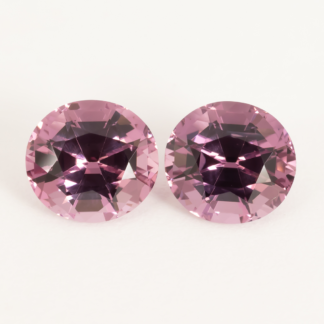
Oval Pink Spinel Pair 1.72ctw. 5.8×5.4mm Burma
$1,376 Add to cart -
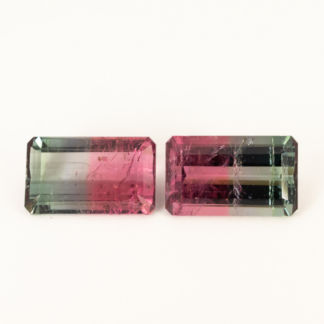
Bi-color Tourmaline Pair Emerald Cut 7.65ctw. 12.26×7.46mm
$2,020 Add to cart -
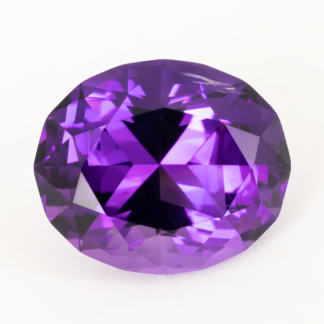
Oval Brilliant Cut Amethyst 12x10mm 4.64ct from Zambia
$350 Add to cart -
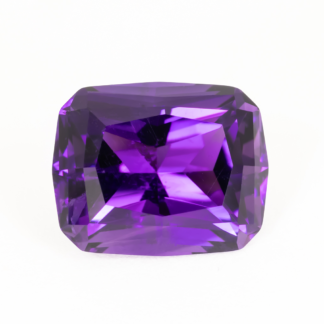
Emerald Cushion Cut Amethyst 10x8mm 3.08ct
$270 Add to cart -
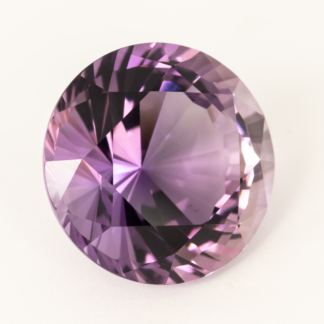
Round Fancy Cut Amethyst 16.5mm 16.06ct from Bolivia
$825 Add to cart -
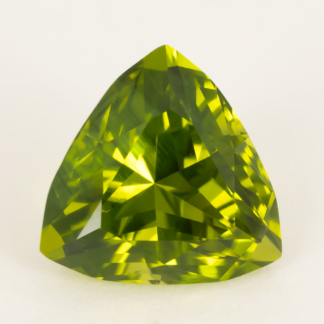
Trillion Cut Peridot 9mm 3.00ct
$450 Add to cart -
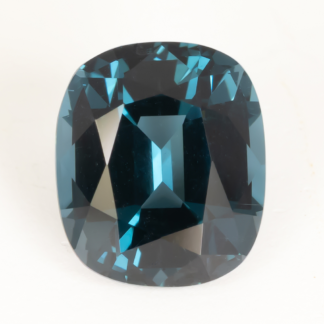
Cushion Cut Teal Sapphire 1.52ct 7.19×6.18mm
$2,545 Add to cart -
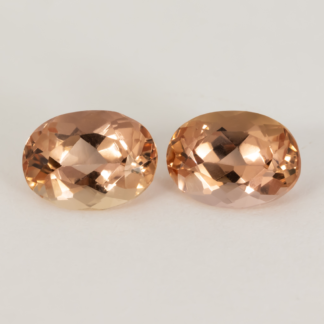
Topaz Oval Pair 1.99ctw 7x5mm
$800 Add to cart -
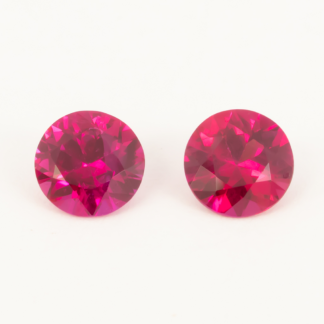
Ruby Pair Round .61ctw 4mm Mozambique
$2,670 Add to cart -
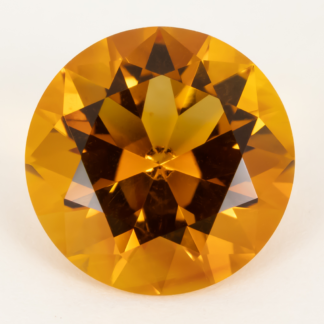
Round Brilliant Cut Citrine 5.73ct. 12mm Brazil
$575 Add to cart -
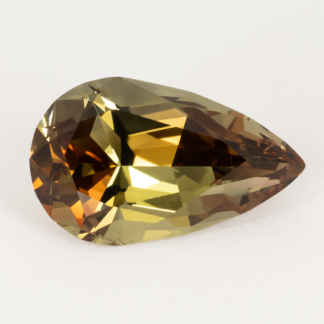
Pear Andalusite Fancy Cut 2.44ct. 11.5x7mm Brazil
$610 Add to cart -
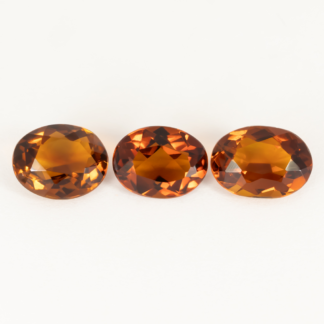
Oval Brilliant Madeira Citrine Suite of Three 3.60ctw 8x6mm
$180 Add to cart -
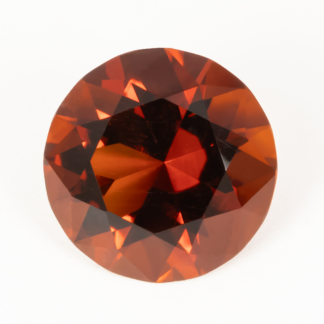
Round Brilliant Madeira Citrine 2.15ct. 9mm Brazil
$215 Add to cart -
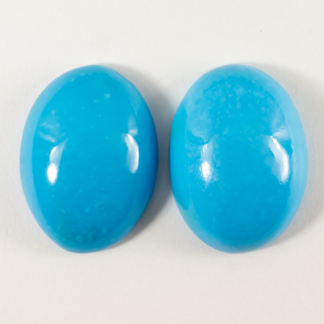
Sleeping Beauty Blue Turquoise Oval Pair 15.9×11.6mm 13.16ctw
$1,450 Add to cart -
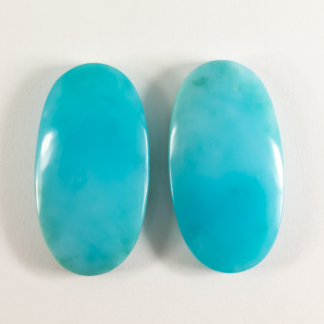
Petrified Blue Opal Oval Pair 21x11mm Indonesia
$380 Add to cart -
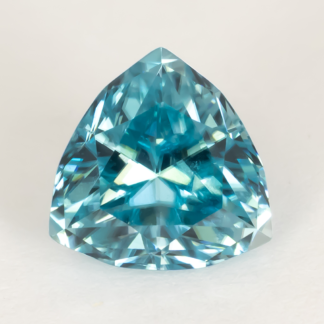
Trillion Blue Zircon 2.16ct. 7mm Cambodia
$432 Add to cart -
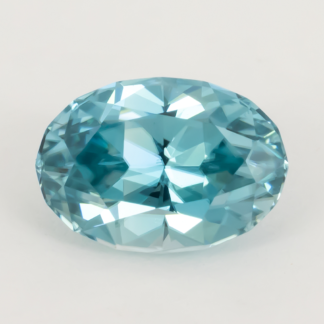
Oval Blue Zircon Brilliant Cut 1.56ct. 7x5mm Cambodia
$315 Add to cart -
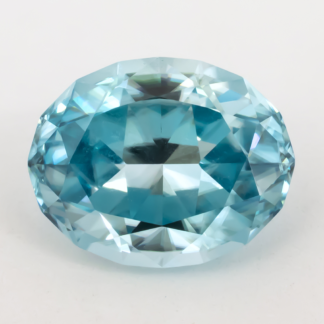
Oval Brilliant Blue Zircon 2.83ct. 9x7mm Cambodia
$425 Add to cart -
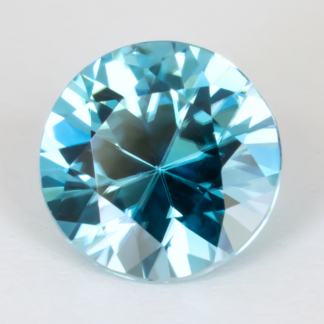
Round Brilliant Blue Zircon 2.79ct. 6.5mm Cambodia
$595 Add to cart -
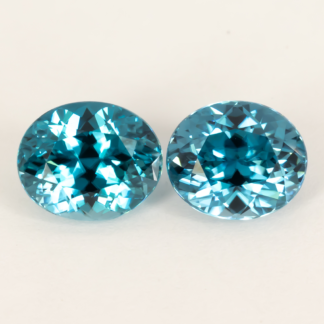
Oval Blue Zircon Pair 7×5.8mm 3.75ctw Cambodia
$940 Add to cart -
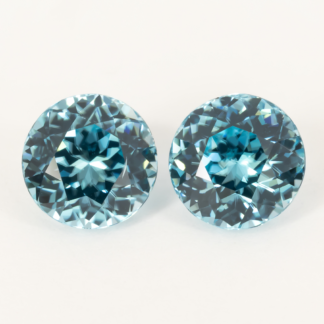
Round Blue Zircon Pair 6.6mm 3.86ctw Cambodia
$1,065 Add to cart -
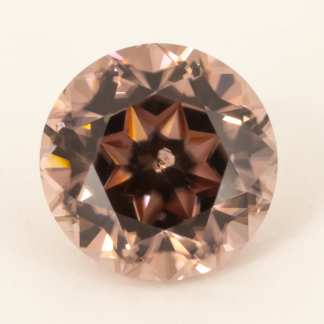
Delicate Light Peach Zircon Round Fancy Cut 1.42ct. 6.12mm Mozambique
$390 Add to cart -
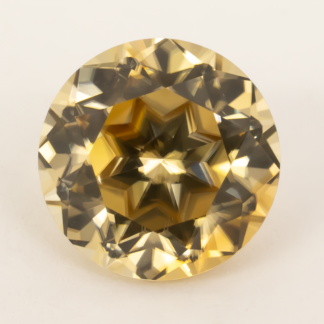
Light Yellow Zircon Round Brilliant Cut 4.45ct. 9.08mm Tanzania
$1,113 Add to cart -
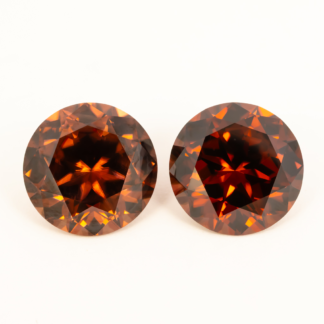
Round Brilliant Orange Zircon Pair 18.11ctw 12mm Mozambique
$4,468 Add to cart -
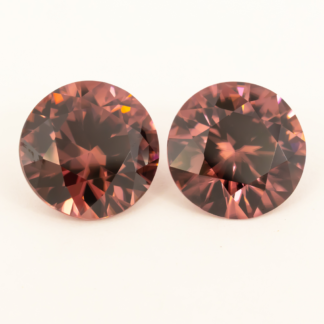
Brownish Rose Zircon Pair Round Brilliant Cut 10mm 10.10ctw
$4,488 Add to cart -
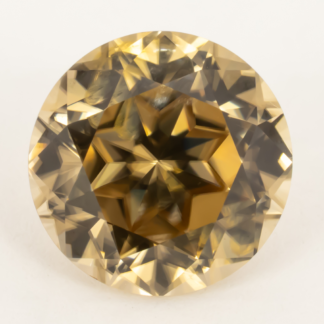
Round Brilliant Yellow Zircon 4.28ct. 8.99mm Tanzania
$1,066 Add to cart -
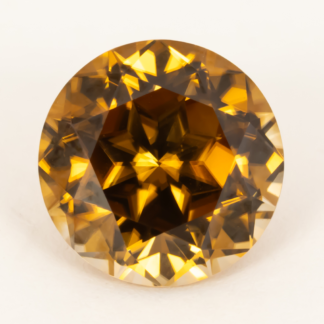
Round Brilliant Honey Zircon 4.23ct. 8.99mm Tanzania
$1,058 Add to cart -
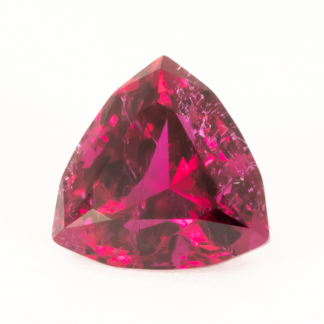
Trillion Rubellite Tourmaline 1.60ct. 7.5mm Nigeria
$600 Add to cart -
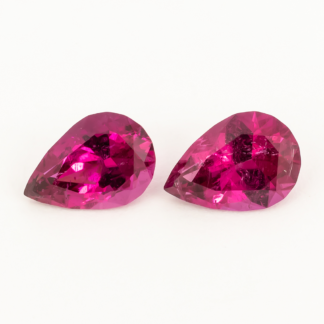
Pair Rubellite Tourmaline Pear Brilliant Cut 1.30ctw 7x5mm Nigeria
$490 Add to cart -
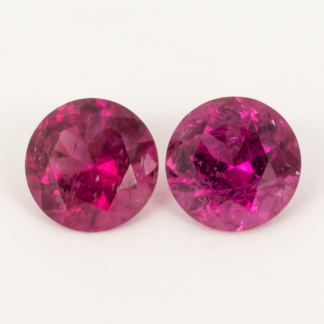
Rubellite Tourmaline Pair Round Brilliant Cut 5mm .95ctw.
$245 Add to cart
Showing 1–30 of 166 resultsSorted by latest